Steelhead Fishing in Michigan
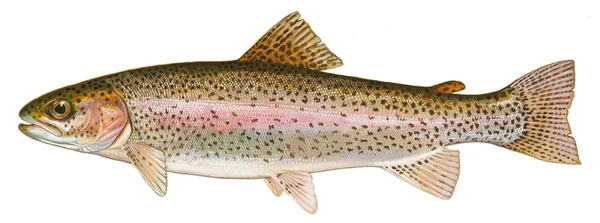
Michigan is home to one of the premier steelhead fisheries in the Great Lakes, with world-class rivers like the Pere Marquette, Manistee, Muskegon, Grand, and St. Joseph drawing anglers from across the country. Two distinct strains — the summer-run Skamania and winter-run Michigan strain — are stocked annually by the Michigan DNR, creating overlapping windows of opportunity that keep dedicated steelheaders on the water from July through April. Combined with open-lake trolling, steelhead are arguably the most versatile and consistently available gamefish along Michigan’s Lake Michigan coast.
The state record of 26 lbs 8 oz was taken from Lake Michigan in 1975, and fish in the 8- to 15-pound range are common catches during peak run periods. The DNR stocks roughly 660,000 steelhead annually across dozens of tributaries, sustaining one of the most reliable anadromous fisheries in the Midwest.
The Two Strains
Skamania (Summer-Run)
The Skamania strain originated from the Washougal River in Washington state and was introduced to the Great Lakes region in the 1970s. These fish are genetically programmed to enter freshwater during summer months, a trait that is highly unusual for Great Lakes steelhead. Skamania begin showing up in Michigan tributaries as early as late June, with the strongest runs from July through September. Stragglers continue entering rivers into October.
Skamania steelhead are hot-weather fish. They enter rivers when water temperatures are in the 60s and 70s — conditions that would shut down most salmonid species. This creates a singular opportunity: serious trout-and-salmon fishing in the heat of a Michigan summer. Fresh Skamania are chrome-bright, incredibly powerful, and fight with an intensity that exceeds most winter-run fish pound for pound.
Michigan Strain (Winter-Run)
Michigan strain steelhead follow the more traditional Great Lakes pattern. They begin staging near tributary mouths in late October and enter rivers from November through March, with peak runs typically occurring in December through February. Water temperatures in the 34- to 42-degree range are the sweet spot for Michigan strain activity.
Winter steelhead fishing is a cold-weather pursuit that demands dedication. Short days, frigid water, and unpredictable weather are part of the experience. But the rewards are significant — Michigan strain fish tend to be larger on average than Skamania, and the winter rivers see far less recreational traffic than summer waterways. A strong late-winter and spring push in March and April draws large numbers of fish into the Pere Marquette, Muskegon, and Grand rivers as water temperatures begin to climb.
Where to Fish
Pere Marquette River
The Pere Marquette near Baldwin is one of Michigan’s most storied steelhead rivers and a bucket-list destination for fly anglers nationwide. The river features a designated flies-only, catch-and-release section between M-37 and Gleason’s Landing — roughly eight miles of pristine, wadeable water. The PM is often among the first rivers to receive spring steelhead, with peak runs in late March and early April. Fall runs push fish into the river from October through December. The river’s moderate size, gravel-bottom runs, and excellent public access make it ideal for both wading and drift boat fishing.
Manistee River
The Manistee River below Tippy Dam is one of Michigan’s most productive steelhead fisheries. The dam concentrates migrating fish, and the 30-mile stretch of river below it to Lake Michigan offers wide, powerful water with deep pools, swift runs, and classic holding structure. Both Skamania and Michigan strain steelhead are stocked here, providing runs from fall through spring. Access is available from numerous sites off M-55 and River Road. The Manistee’s big water and strong current make it a favorite for anglers who prefer drift boat fishing and swinging flies.
Muskegon River
The Muskegon River below Croton Dam near Newaygo is the biggest steelhead water in western Michigan. This tailwater fishery never freezes, thanks to deep-water releases from Croton Pond, allowing year-round fishing. The Muskegon receives very strong runs of steelhead from late October through April, with peak activity in November and again in March. The river’s width — 200 to 300 feet in places — makes it prime drift boat water, though wading anglers find productive spots near Croton Dam and around Newaygo. Spawn sacs, trout beads, and egg patterns are consistently effective here.
St. Joseph River
The St. Joseph River in southwest Michigan offers accessible steelhead fishing within easy reach of Kalamazoo and South Bend. The river supports runs of both Skamania and Michigan strain fish and provides big-water steelhead fishing with deeper pools and heavier current than many of Michigan’s northern coastal streams. Multiple public access points along the river make it a practical choice for anglers who want quality steelhead fishing without a long drive to the northern Lower Peninsula.
Grand River
The Grand River in Grand Rapids is home to one of the largest steelhead migrations in the entire Great Lakes region. Fish running up from Lake Michigan stack below the Sixth Street Dam in downtown Grand Rapids, creating a famous urban fishery with easy access from Fish Ladder Park and the Sixth Street Bridge. Fall steelhead begin arriving in mid-October, and spring runs from late February through April draw crowds of anglers. The Grand’s size and flow support huge numbers of fish, and the urban setting makes it one of the most accessible steelhead fisheries in the state. Drifting spawn bags, casting spinners, and bouncing crankbaits are all productive here.
Techniques
Drift Fishing
The most common and productive approach on Michigan steelhead streams. Rig a spawn sac, wax worm, or butter worm on a size 6 to 2 hook below a float set to drift the bait 6 to 18 inches above bottom. Use enough split shot to achieve a natural drift speed — the bait should move at the same pace as the current or slightly slower. Concentrate on the heads and tailouts of pools, seams between fast and slow water, and any deeper slots along undercut banks or structure.
Spinner and Spoon Fishing
In-line spinners (Mepps, Blue Fox, Panther Martin) in sizes 3 through 5 and small casting spoons are effective in deeper pools and runs with moderate current. Silver, gold, and chartreuse finishes are consistent producers. Retrieve just fast enough to feel the blade turning — steelhead in cold water will not chase an aggressively retrieved lure.
Fly Fishing
Michigan’s steelhead tributaries are excellent fly water. A 7- to 8-weight rod in the 9- to 10-foot range handles most situations. For nymphing, use a Euro-style or indicator setup with egg patterns (Glo Bugs, sucker spawn), stonefly nymphs, and pheasant tails drifted through holding water. Swinging woolly buggers, string leeches, and intruder-style flies on a sink-tip line through deeper runs is a thrilling way to connect with aggressive fish, particularly fresh Skamania in summer.
Jig Fishing
Marabou and soft plastic jigs in 1/32- to 1/8-ounce sizes, fished below a float, have become increasingly popular on Michigan steelhead rivers. Pink, white, chartreuse, and orange are the top colors. This technique excels in clear, low-water conditions when fish are spooky and refuse larger presentations.
Seasonal Summary
| Period | Strain | Peak Months | Water Temp |
|---|---|---|---|
| Summer | Skamania | July - September | 60-75F |
| Fall Transition | Both | October - November | 45-58F |
| Winter | Michigan | December - February | 33-42F |
| Late Winter/Spring | Michigan | March - April | 34-45F |
The overlap period in October and November can produce encounters with both strains on the same day — chrome Skamania that entered weeks earlier alongside fresh Michigan strain fish making their first push into the rivers.
Conservation and Ethics
Michigan’s steelhead fishery is heavily supported by stocking, with the DNR planting roughly 660,000 steelhead smolts and fingerlings annually across Lake Michigan and Lake Huron tributaries. While some limited natural reproduction occurs in a few rivers, the fishery depends on consistent stocking to maintain run sizes. This makes each stocked fish a valuable resource. While the daily bag allows harvest, many experienced steelheaders practice catch and release, particularly on tributary fish. If you choose to keep fish, retain fresh-run chrome fish from the open lake or river mouths for the best eating quality. Handle and release tributary fish carefully — use barbless hooks, keep fish in the water, and minimize fight times to ensure survival after release.