Rainbow Trout Fishing in Michigan
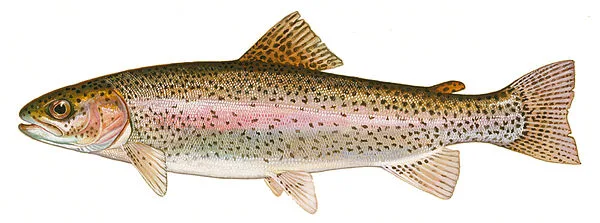
Michigan offers some of the finest rainbow trout fishing in the Midwest, ranging from wild populations in legendary blue-ribbon rivers to a robust stocking program that puts catchable trout in waters across both peninsulas. The DNR plants millions of trout and salmon annually, with rainbow trout making up a significant portion of the effort. Whether you prefer casting dry flies on the Au Sable or dunking PowerBait in a stocked lake, Michigan delivers genuine trout fishing opportunities statewide.
Wild and Naturalized Rivers
Michigan’s coldwater rivers set it apart from most other Midwestern states. Wild and naturalized rainbow trout populations exist in several premier rivers, offering year-round fishing for resident fish.
Pere Marquette River in Lake and Mason counties is a federally designated Wild and Scenic River and one of Michigan’s most celebrated trout streams. The upper reaches hold resident rainbow and brown trout in classic freestone habitat, while the lower river sees massive runs of steelhead, salmon, and sea-run browns. Fly fishing is the primary method on the Pere Marquette, with dry fly and nymph fishing productive throughout the season.
Au Sable River is where Michigan’s steelhead story began — rainbow trout were first introduced to the Au Sable in 1876, and the river has sustained naturalized populations ever since. The Holy Waters stretch near Grayling is managed as a quality fishery with special regulations. Brown trout dominate the upper river, but rainbows are well established in the mainstream and North Branch.
Manistee River supports both resident rainbow trout and spectacular steelhead runs. Historical accounts from the early 1900s describe accumulations of 25,000 to 40,000 large steelhead below the dams. Today the upper Manistee above Tippy Dam remains excellent coldwater trout habitat, while the lower river below Tippy is a destination steelhead and salmon fishery.
The Muskegon River, Little Manistee River, and numerous Upper Peninsula streams including the Two Hearted River and Carp River also support rainbow trout.
The Stocking Program
The Michigan DNR operates multiple state fish hatcheries dedicated to trout and salmon production. Oden State Fish Hatchery near Petoskey and Harrietta State Fish Hatchery near Cadillac are the primary producers of rainbow trout for inland stocking. In 2025 alone, the DNR stocked over 18.9 million fish of all species, with trout and salmon representing a major share.
Fall fingerling stockings and spring yearling plants keep a steady supply of catchable rainbow trout in waters across the state. The DNR publishes stocking data through its online fish stocking database, which lets anglers search by county, waterbody, species, and date — essential reading for planning trips around fresh plants.
Family Friendly Fishing Waters (FFFW) designated by the DNR receive regular trout stockings and offer easy access for families and beginning anglers. These waters are found in both the northern and southern Lower Peninsula and provide a low-barrier introduction to trout fishing.
Techniques
Bait fishing remains the most popular and productive approach on stocked waters. PowerBait molded onto a size 12 or 14 treble hook, suspended off the bottom with a small marshmallow or fished on a sliding sinker rig, is the go-to for lake fishing. Nightcrawlers, wax worms, and single salmon eggs are effective in both lakes and streams.
Spin fishing with small in-line spinners (Mepps, Panther Martin, Rooster Tail) in sizes 0 through 2 works well in streams and along lake shorelines. Gold and silver blades with dressed trebles are consistent producers. Retrieve slowly — just fast enough to feel the blade turn.
Fly fishing is the method of choice on Michigan’s blue-ribbon rivers. Small nymphs, egg patterns, and woolly buggers in sizes 10 through 14 drifted through pools and runs connect with both stocked and wild fish. Dry fly fishing with caddis, mayfly, and terrestrial patterns is productive on rivers like the Au Sable and Pere Marquette during hatches. A 4- or 5-weight rod handles most inland trout situations.
Regulations and Licensing
All anglers 17 and older need a valid Michigan fishing license to fish for trout. Michigan classifies its trout streams into four types with varying regulations: Type 1 streams follow general regulations, Type 2 streams are managed as no-kill with gear restrictions, Type 3 streams have reduced bag limits and larger size limits, and Type 4 streams are catch-and-release only with flies-only rules. The general trout season opens the last Saturday in April statewide, with the Upper Peninsula season opening in mid-May. Some waters are open year-round. Always check the specific regulations for the water you plan to fish at michigan.gov/dnr.
A Trout State
Michigan’s combination of wild coldwater rivers, Great Lakes tributaries, and an aggressive stocking program makes it one of the top trout fishing states in the country. The inland stocking program provides accessible, close-to-home trout fishing across both peninsulas, while the Pere Marquette, Au Sable, Manistee, and dozens of other rivers offer world-class experiences for anglers willing to explore. Whether you are a beginning angler hitting a stocked lake for the first time or a seasoned fly angler working a hatch on the Holy Waters, Michigan has rainbow trout fishing to match.