Freshwater Drum Fishing in Michigan
The freshwater drum is one of the most abundant large fish in Michigan’s rivers and major lakes, yet it remains one of the most underappreciated species in the state. Also known as sheepshead, the drum is a powerful bottom-feeder that grows to impressive sizes — the Michigan state record is a 30-pound fish taken from the Manistee River in Martin County in 1963. While most drum are caught incidentally by anglers targeting catfish, bass, or walleye, a growing number of fishermen are learning to target drum intentionally and discovering a species that fights hard, pulls drag, and provides consistent action when other species are not cooperating.
Identification
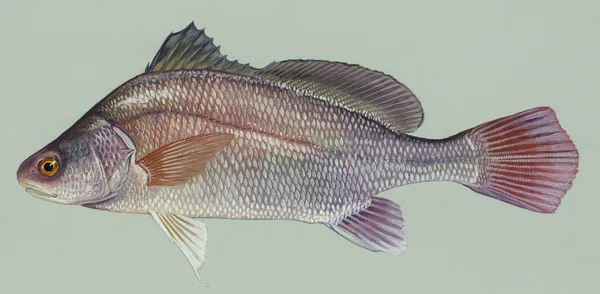
Freshwater drum have a distinctive profile — a high, arched back, a blunt head, and a long dorsal fin that runs most of the length of the body. The tail fin is rounded, and the body coloration is silvery-gray with a slight bronze or gold tint. The mouth is subterminal (positioned underneath the head), adapted for feeding along the bottom. One of the most notable features is the set of pharyngeal teeth — heavy, rounded crushing teeth located in the throat — which drum use to break open crayfish, mussels, and snail shells. Drum also have a pair of large, polished ear stones (otoliths) inside their skull that are sometimes collected as curiosities. Most Michigan drum weigh 2 to 8 pounds, but fish over 10 pounds are caught regularly in major rivers.
Where to Find Freshwater Drum
The Detroit River along Michigan’s southern border holds enormous populations of freshwater drum. They inhabit the main channel, tailwaters below dams, and rocky shoreline areas. Detroit River drum grow large thanks to abundant forage and year-round warmth from power plant discharges in some areas.
The Muskegon River supports drum throughout its lower reach from Croton Dam to Muskegon Lake. Look for them in deeper pools, along rocky banks, and in the slack water behind wing dams. The stretch near Newaygo is particularly productive.
The Grand River is one of Michigan’s best drum fisheries, particularly in the stretch through Grand Rapids and Lansing. Deep pools, rocky banks, and dam tailwaters hold strong populations. The Grand’s length and diversity of habitat make it a year-round option.
Lake Michigan nearshore waters along the Michigan Dunes hold drum, particularly over sandy and rocky substrate in 10 to 25 feet of water. Lake Michigan drum are often encountered by anglers fishing for perch or smallmouth bass.
Inland lakes including Lake St. Clair, Saginaw Bay, Houghton Lake, and many larger inland lakes hold freshwater drum. They are typically found along rocky dam faces, riprap shorelines, and gravel points.
Seasonal Patterns
Spring (April-May): Drum move shallow as water temperatures reach the upper 50s and begin their spawning ritual, which involves males producing a distinctive drumming sound to attract females. They concentrate along rocky shorelines, riprap, and gravel bars. Bottom-bounced nightcrawlers and crayfish produce well during the pre-spawn feed.
Summer (June-August): Peak drum season. Warm water temperatures keep drum active and feeding throughout the day, though early morning and evening remain the most productive periods. They hold along current breaks in rivers and over rocky structure in lakes. This is the best period for consistent action, as drum school heavily and feed aggressively on crayfish and aquatic invertebrates.
Fall (September-October): Drum remain active through early fall and provide solid fishing until water temperatures drop below 60 degrees. They begin moving to deeper water as fall progresses, holding in river pools and along deep lake structure.
Winter (November-March): Drum become sluggish in cold water and hold in the deepest available pools. They are still catchable but require slow, bottom-hugging presentations. Blade baits and jigs worked vertically in deep holes produce occasional winter drum.
Tactics and Rigging
Bottom fishing with nightcrawlers is the simplest and most effective drum technique. Use a slip sinker rig (Carolina rig) with a 1/2 to 1-ounce egg sinker, a swivel, and an 18 to 24-inch fluorocarbon leader to a size 2 to 1/0 hook. Thread on a whole nightcrawler and cast to rocky banks, current seams, or riprap. Let the bait rest on bottom — drum locate food primarily by feel and scent.
Jig fishing with 1/8 to 1/4-ounce jig heads tipped with soft plastic grubs, tubes, or crayfish imitations is increasingly popular among anglers who target drum intentionally. Drag or hop the jig slowly along rocky bottom, maintaining contact with the substrate. Drum strikes feel like a sharp tap or a sudden heaviness — set the hook firmly.
Crayfish fished on a simple split-shot rig or threaded onto a jig are premium drum baits. Hook them through the tail and fish tight to rocky structure. Drum detect crayfish through vibration and scent and will home in on them quickly.
Use a medium-action spinning rod (6.5 to 7 feet) with 8 to 12-pound line. Drum are strong fish that make dogged runs, and their broad bodies generate surprising resistance. The fight is consistently underrated by anglers who hook their first big drum while expecting a catfish.