Chinook Salmon Fishing in Michigan
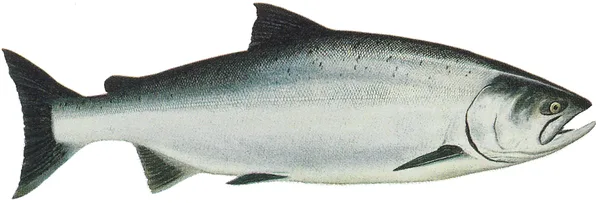
The chinook salmon — commonly called king salmon — is the heavyweight of Michigan’s Great Lakes fishery and one of the most powerful freshwater gamefish in the state. In 1966 and 1967, Michigan DNR fisheries chief Dr. Howard Tanner authorized the introduction of coho and chinook salmon into Lake Michigan to control exploding alewife populations. The gamble created a world-class, multi-billion-dollar sportfishery that has endured for nearly six decades. Today, Michigan boasts the largest chinook salmon fishery in the Great Lakes, with approximately 3,200 miles of Great Lakes shoreline providing access to extraordinary trolling and tributary fishing opportunities. Chinook exceeding 30 pounds are caught every season, and the species remains the primary draw for Michigan’s massive charter fleet.
Where to Fish
Michigan’s chinook salmon fishing stretches across dozens of ports and rivers along the Lake Michigan and Lake Huron coasts. The most productive waters are concentrated along the Lake Michigan shoreline.
Ludington is widely considered Michigan’s premier salmon port. Deep, productive water lies just a short run offshore, and the large charter fleet based here consistently produces trophy kings. The nearby Pere Marquette River is one of the first Michigan rivers to see early chinook in late August and draws heavy runs through October.
Manistee is another top-tier destination. The Manistee River funnels massive chinook runs, with fish stacking up below Tippy Dam — often a full month earlier than most other Michigan rivers. Offshore trolling out of Manistee produces trophy fish from July through September, with kings regularly exceeding 30 pounds.
Frankfort and the Betsie River provide excellent fall run fishing in a more intimate setting. The Platte River, just south of Frankfort, hosts a famous fall salmon run and is home to the Platte River State Fish Hatchery, a key facility in Michigan’s salmon stocking program.
Grand Haven and the Grand River offer strong fishing on both the open lake and in the river. The Grand River supports significant fall chinook runs and is the river where the previous state record chinook (46.06 pounds) was caught in 1978.
Holland and St. Joseph round out the southern Lake Michigan ports, with St. Joseph providing access to the St. Joseph River — one of Michigan’s major chinook tributaries with reliable fall runs.
Charlevoix on the northern end of the Lower Peninsula gives access to both Lake Michigan and Lake Charlevoix, producing excellent spring and summer trolling.
The Muskegon River is another important chinook tributary, drawing strong fall runs and offering productive wade and drift-boat fishing below Croton Dam.
On the open lake, chinook follow schools of alewife — their primary forage. Thermal breaks, current seams, and areas where bottom structure concentrates baitfish are the keys to locating fish. Water temperature is critical: chinook prefer the 48- to 55-degree range and will move vertically and horizontally to find it.
Seasonal Patterns
Spring (April-May): As Lake Michigan’s nearshore waters warm, chinook move into shallow water to feed on alewife staging near harbor mouths and river outlets. Fish are commonly caught in 20 to 50 feet of water within a few miles of shore. This is the most accessible period for smaller boats and pier anglers. Spoons and crankbaits trolled at moderate speeds near temperature breaks produce consistent action.
Summer (June-July): Chinook push offshore and deeper as surface temperatures climb. Fish typically hold between 80 and 150 feet of water, feeding in the thermocline zone. Long runs offshore with downriggers, dipsy divers, and planer boards become necessary. Flasher-fly combinations and magnum spoons are the go-to presentations. This period produces some of the largest fish of the season, and ports like Ludington, Manistee, and Frankfort see heavy charter activity.
Late Summer/Fall (August-October): The premier window. Mature chinook begin staging near tributary mouths in preparation for their spawning runs. Offshore trolling remains productive in August, but action gradually shifts toward nearshore waters and river mouths. By September, fish are entering the Pere Marquette, the Manistee below Tippy Dam, the Betsie, the Platte, the Muskegon below Croton Dam, and the St. Joseph River. Tributary anglers drift spawn sacs and skein through holding pools and runs for staging and actively running fish.
Tackle and Techniques
Open-Lake Trolling
Chinook trolling requires specialized equipment. A spread of 6 to 10 rods using downriggers, dipsy divers, and planer boards is standard on charter boats. Medium-heavy trolling rods with line-counter reels spooled with 20- to 30-pound monofilament or braided line are the foundation.
Key lure categories include:
- Spoons — Stinger, Moonshine, and Michigan Stinger patterns in alewife, green, and UV finishes
- Flasher-fly combos — An 11-inch flasher paired with a trailing fly is one of the most effective deep-water presentations
- J-plugs and crankbaits — Effective in shallower spring presentations and near-surface summer bites
Trolling speeds for chinook typically range from 2.0 to 3.0 mph. Vary speed until you find what triggers strikes on a given day.
Tributary Fishing
When chinook enter Michigan’s rivers in fall, the approach shifts to drift fishing and float fishing from shore or by wading. Spawn sacs (cured salmon or steelhead eggs tied in mesh) are the top bait. Rig them on a size 2 to 1/0 hook below a float or on a drift rig with enough weight to tick bottom in moderate current. Fresh skein (uncured egg membrane) is also highly effective.
Medium-heavy spinning rods in the 9- to 10-foot range with reels spooled with 12- to 17-pound monofilament are standard for tributary work. The longer rods provide better float control and help manage fish in tight river quarters.
Michigan’s Chinook Legacy
Michigan’s chinook salmon program is one of the most successful fisheries management stories in North American history. When Dr. Howard Tanner authorized the planting of nearly 800,000 chinook fry in the Little Manistee and Muskegon rivers in 1967, few predicted the transformation that would follow. The salmon controlled the invasive alewife population, revitalized coastal economies, and created a sportfishery that generates billions of dollars in economic activity. The state record — a 47-pound, 14-ounce king caught near Ludington in August 2021 by angler Luis Martinez fishing with Icebreaker Charters — stands as both a Michigan and Great Lakes record, a testament to the health of this fishery nearly 60 years after its creation.
Handling Your Catch
Chinook salmon are excellent table fare when fresh from the cold waters of Lake Michigan. Spring and early summer fish are the firmest and best eating. Fall fish in full spawning colors are less desirable for the table but still edible if bled and iced immediately. For fish you plan to release — particularly early-season fish that have not yet begun their spawning transformation — minimize handling time and avoid removing the fish from water if possible.