Brown Trout Fishing in Michigan
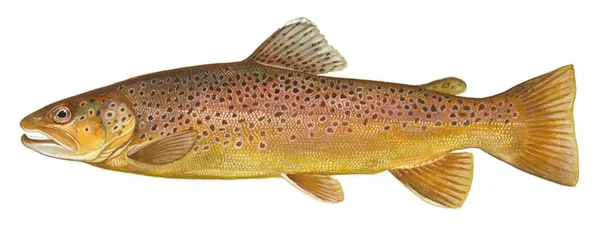
Michigan is one of the finest brown trout destinations in America. The state’s combination of legendary inland trout rivers, thousands of miles of coldwater streams, and the vast nearshore fisheries of Lake Michigan and Lake Huron creates opportunities that few states can match. Brown trout were first introduced to Michigan waters in the 1880s, and today they thrive as both self-sustaining wild populations in inland rivers and as powerful Great Lakes predators that grow to trophy proportions.
The state record brown trout weighed 41 lbs 7 oz and was caught by Tom Healy on the Manistee River in September 2009. The fish measured 43.75 inches long with a 27-inch girth — a testament to the extraordinary growth potential of Great Lakes brown trout that have access to unlimited forage.
The Au Sable River — Michigan’s Crown Jewel
No discussion of brown trout in Michigan begins anywhere other than the Au Sable River. Rising near Grayling in the northern Lower Peninsula and flowing roughly 100 miles east to Lake Huron, the Au Sable is one of the most celebrated trout streams in the world.
The Holy Water is the river’s most iconic stretch — a 9-mile section of the Main Branch from Burton’s Landing to Wakeley Bridge that is managed as flies-only, catch-and-release water. Named by Cal Gates, the legendary fly shop owner, for its exceptional insect hatches and ideal wading conditions, the Holy Water holds dense populations of wild brown trout in a river that looks like it belongs on the cover of a fly fishing magazine.
What sets the Au Sable apart is its hatches. The annual Hexagenia limbata emergence — known locally as the hex hatch — occurs in late June and July and is one of the most anticipated events in Midwestern fly fishing. These massive mayflies bring the biggest brown trout in the river to the surface after dark, and anglers who fish the hex hatch have realistic shots at wild browns exceeding 20 inches. Beyond the hex, prolific hatches of Hendricksons, sulphurs, brown drakes, and caddis keep dry fly fishing productive from April through September.
Streamer fishing on the Au Sable is the primary method for targeting the largest resident browns. Spring (April and May) and fall (October through December) are the prime windows, with large articulated streamers stripped through deep bends and along undercut banks producing explosive strikes from territorial fish.
Premier Inland Rivers
Michigan’s brown trout fishing extends far beyond the Au Sable. The northern Lower Peninsula holds a network of blue-ribbon trout streams, each with its own character.
Pere Marquette River — A federally designated Wild and Scenic River in northwest Michigan, the PM supports a world-class resident brown trout population alongside its famous steelhead and salmon runs. The upper river above M-37 is classic wade-fishing water with wild browns holding in riffles, undercut banks, and logjams. Fly anglers, spin fishers, and bait anglers all find productive water on the Pere Marquette.
Upper Manistee River — Running 190 miles through the northwestern Lower Peninsula, the Manistee is considered one of the best trout fisheries east of the Rockies. The upper river above Tippy Dam holds excellent populations of wild brown trout in clean gravel runs and deep, cedar-lined pools. Below the dam, migratory fish from Lake Michigan add another dimension entirely.
Jordan River — A smaller stream known for stunning natural beauty and quality wild trout fishing. The Jordan offers intimate fly fishing for brown trout and brook trout on its upper stretches, with beaver ponds and spring-fed tributaries creating ideal cold-water habitat.
Boardman River — Flowing through Traverse City, the Boardman has experienced a dramatic resurgence following dam removals that restored miles of historic trout habitat. The river now supports healthy populations of resident brown trout and native brook trout, with improving conditions each year as the ecosystem recovers.
Pigeon River — Running through the Pigeon River Country State Forest, this stream provides remote, wild-feeling brown trout fishing in one of Michigan’s most scenic settings. The Pigeon holds both browns and brookies, with limited pressure compared to more accessible rivers.
Great Lakes Brown Trout
The Great Lakes fishery is where Michigan brown trout reach their maximum size. Fish in the 5- to 15-pound range are realistic targets for experienced anglers, and browns exceeding 20 pounds are caught every season from both Lake Michigan and Lake Huron. These fish are an entirely different animal from their inland counterparts — open-water predators that gorge on alewife, round gobies, and other forage fish to pack on weight at astonishing rates.
Spring (March through May) is prime time for nearshore brown trout. As water temperatures climb into the low 40s, browns move into shallow water along beaches, piers, breakwalls, and harbor structures to feed on baitfish concentrated near warm-water discharges and river mouths. Trolling stickbaits and small spoons tight to shore in water less than 20 feet deep is the classic approach. Pier and shore anglers casting crankbaits — Rapalas, Smithwick Rogues, Bomber Long-As — at dawn and dusk can intercept cruising browns without a boat. Ports like Frankfort, Manistee, Ludington, Grand Haven, and St. Joseph on the Lake Michigan side all produce quality spring browns.
Fall (October through January) brings the spawning migration. Mature brown trout stage near tributary mouths along both Lake Michigan and Lake Huron as decreasing daylight and dropping water temperatures trigger their upstream push. Major tributaries including the Grand River, Muskegon River, Big Manistee, Pere Marquette, White River, and Rogue River all see runs of lake-run browns. Fishing spawn sacs, spinners, small spoons, and streamers through pools and runs during this window produces powerful, heavy-shouldered fish in full spawning colors. Some lake-run browns hold over in rivers through the winter months before returning to the lakes in spring.
Techniques
Fly Fishing — Michigan’s inland brown trout rivers are fly fishing destinations of national significance. On the Au Sable and similar rivers, matching the hatch with dry flies during evening rises is the quintessential experience. Nymph fishing with small Pheasant Tails, Hare’s Ears, and caddis larvae patterns under an indicator produces fish through the day. For trophy browns, large streamers — articulated patterns, woolly buggers, Clouser minnows, and sculpin imitations — stripped aggressively through deep water and along structure are the most consistent producers. Brown trout are ambush feeders, and placing your fly tight to cover matters more than covering water.
Spin Fishing — On inland waters, use light line (4- to 6-pound monofilament or fluorocarbon) and natural presentations. Live bait — nightcrawlers, minnows, and wax worms — fished on light tackle outproduces hardware for wary browns in clear water. Small inline spinners like Mepps and Rooster Tails are effective when retrieved slowly through deeper pools and runs.
Trolling — On the Great Lakes, match the forage with stickbaits and small spoons in natural alewife, goby, and perch patterns. Troll tight to shore in spring, often in water under 15 feet deep. Planer boards help cover more water and keep lines away from the boat. Low-light periods at dawn and dusk are far more productive than midday.
Stream Regulations
Michigan classifies its trout streams into regulatory types that significantly affect how you can fish for brown trout. Type 1 streams follow general trout regulations. Type 2 streams have gear restrictions and no-kill rules. Type 3 streams feature quality-management regulations with larger size limits and reduced bag limits. Type 4 streams are catch-and-release only with flies-only gear restrictions. The Au Sable Holy Water, for example, is managed under the most restrictive designation to protect its wild brown trout fishery. Always consult the Michigan DNR inland trout and salmon stream maps before fishing any water, as regulations vary by individual stream section.
Why Brown Trout Matter in Michigan
Brown trout are the most difficult trout to catch consistently in Michigan, and that is precisely their appeal. They reward patience, stealth, and refined technique in a way that planted fish and hatchery-run salmon cannot match. Michigan’s extensive network of wild, self-sustaining brown trout populations in rivers like the Au Sable, Pere Marquette, and upper Manistee represents a cold-water fishery of national importance — one built on decades of habitat protection, stream restoration, and science-based management. Whether you are casting dry flies on the Holy Water during a hex hatch, swinging streamers through cedar-lined pools on the Manistee, or trolling stickbaits along a Lake Michigan pier at first light, brown trout demand that you earn every fish.